Caregiver Companion
Support without taking over
Guides and scripts for care partners, plus an observation log and printable appointment handoff sheet stored in this browser.
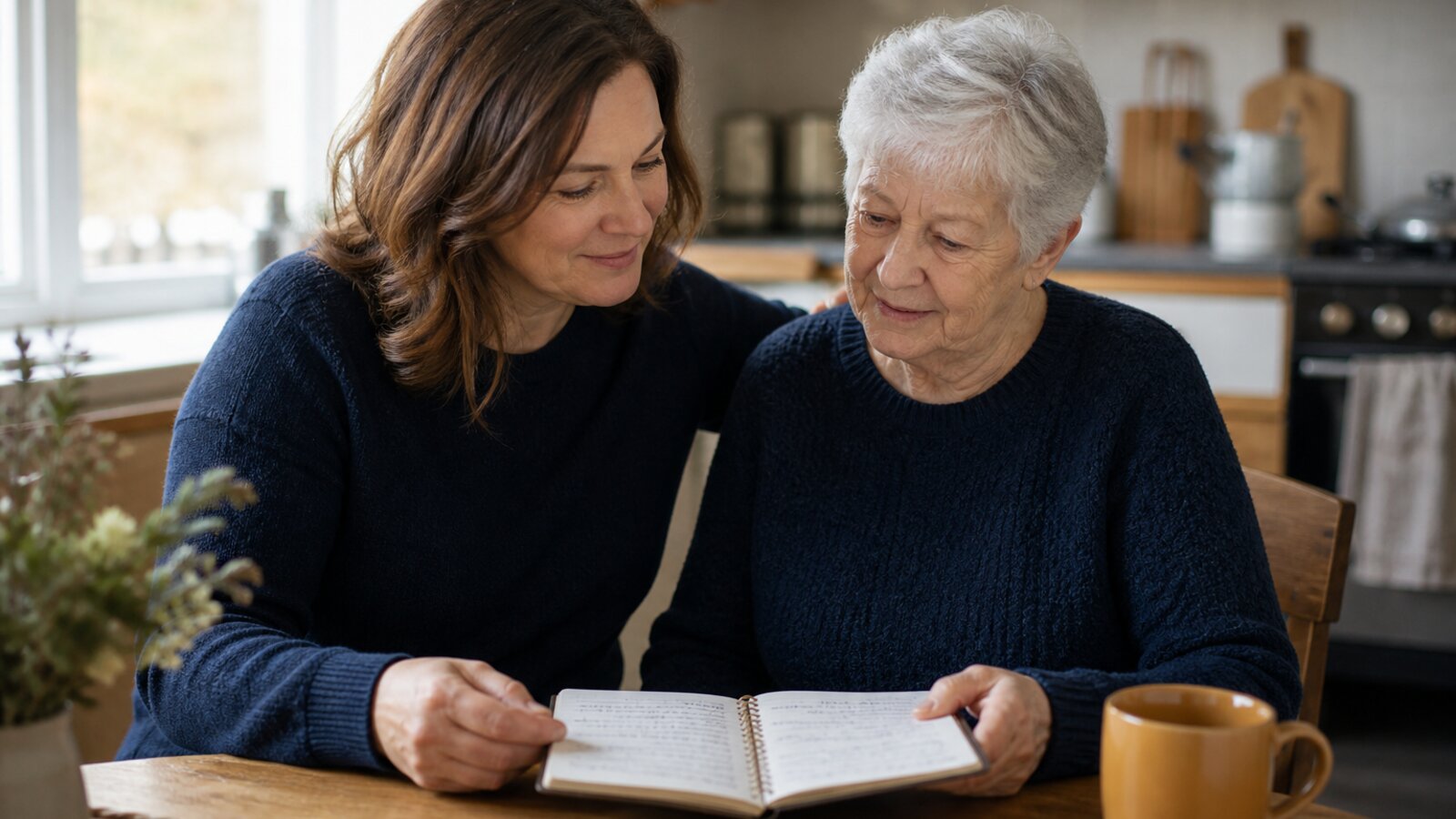
Supporting Without Taking Over
A caregiver can be a steady partner in medication safety while the person taking gabapentin remains the decision-maker whenever they are able. This guide offers practical ways to help with information, routines, and communication without replacing the patient’s voice.
Observation Without Spying
Good caregiving notices safety-relevant changes while respecting privacy. The aim is to create an agreed, factual record that helps the patient and care team—not to police behavior or prove a theory.
Appointment Handoff
A planned handoff helps a caregiver contribute useful facts at an appointment while the patient remains central. It reduces missed questions and makes it clear who will follow up afterward.
Talking About Side Effects
Side-effect conversations are most useful when they are calm, specific, and routed to a clinician or pharmacist. A caregiver can help describe what happened without diagnosing the cause or directing medication changes.
Medication List as a Team
A shared medication list is a practical safety tool, not a way to control someone’s treatment. It helps patients, caregivers, pharmacists, and clinicians identify the right products and ask better questions.
When to Call a Clinician
Caregivers do not need to diagnose a problem before asking for help. This guide separates routine questions, prompt clinical contact, and emergencies while emphasizing that the patient’s actual care plan controls.
Burnout and Boundaries
Caregiving around medication can become exhausting when responsibility is unclear or fear drives every interaction. Boundaries protect the caregiver, preserve the patient’s autonomy, and make support more reliable.
Observation log
Note what you noticed and a question for the next visit. This is not a medical chart.